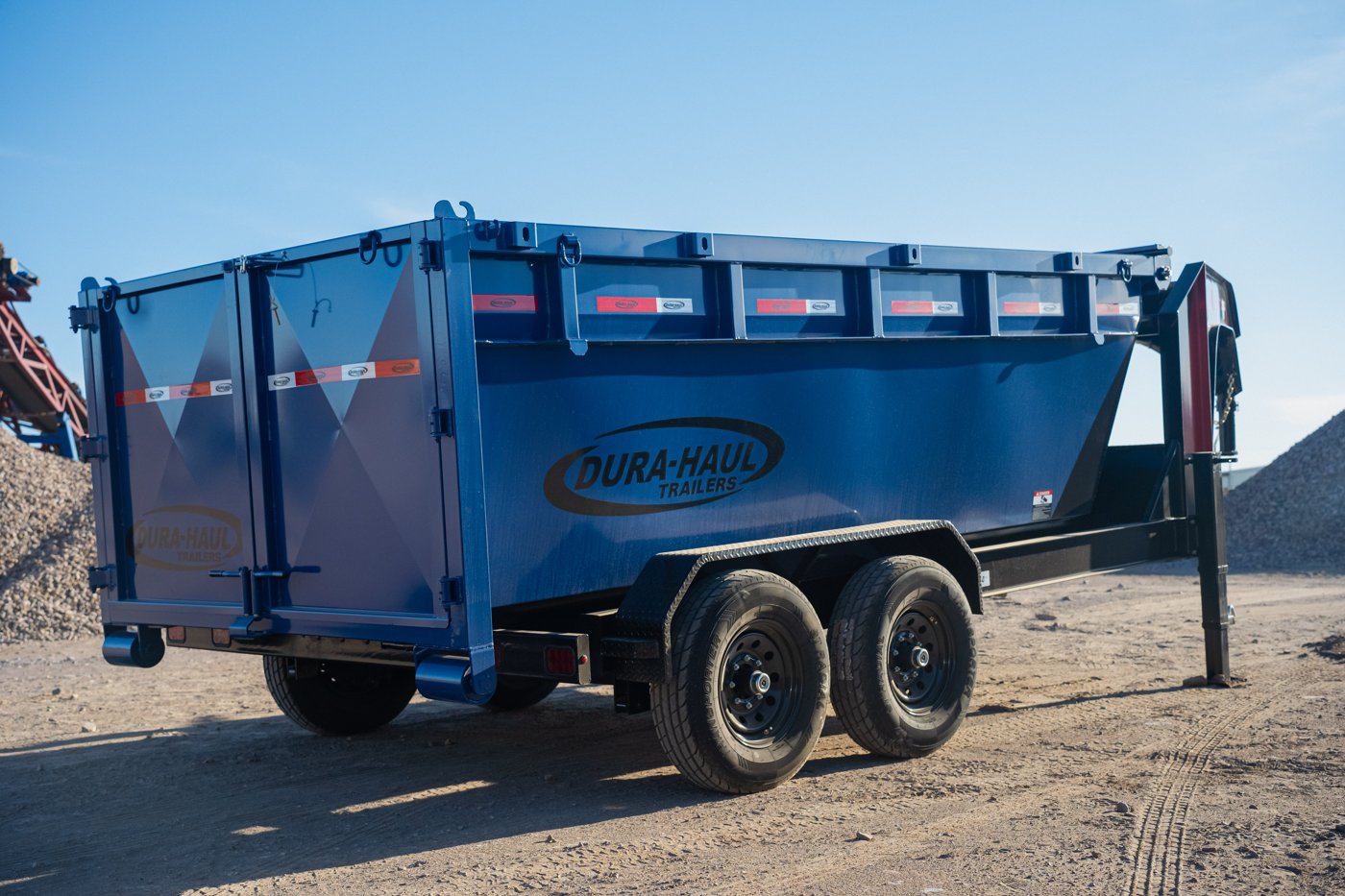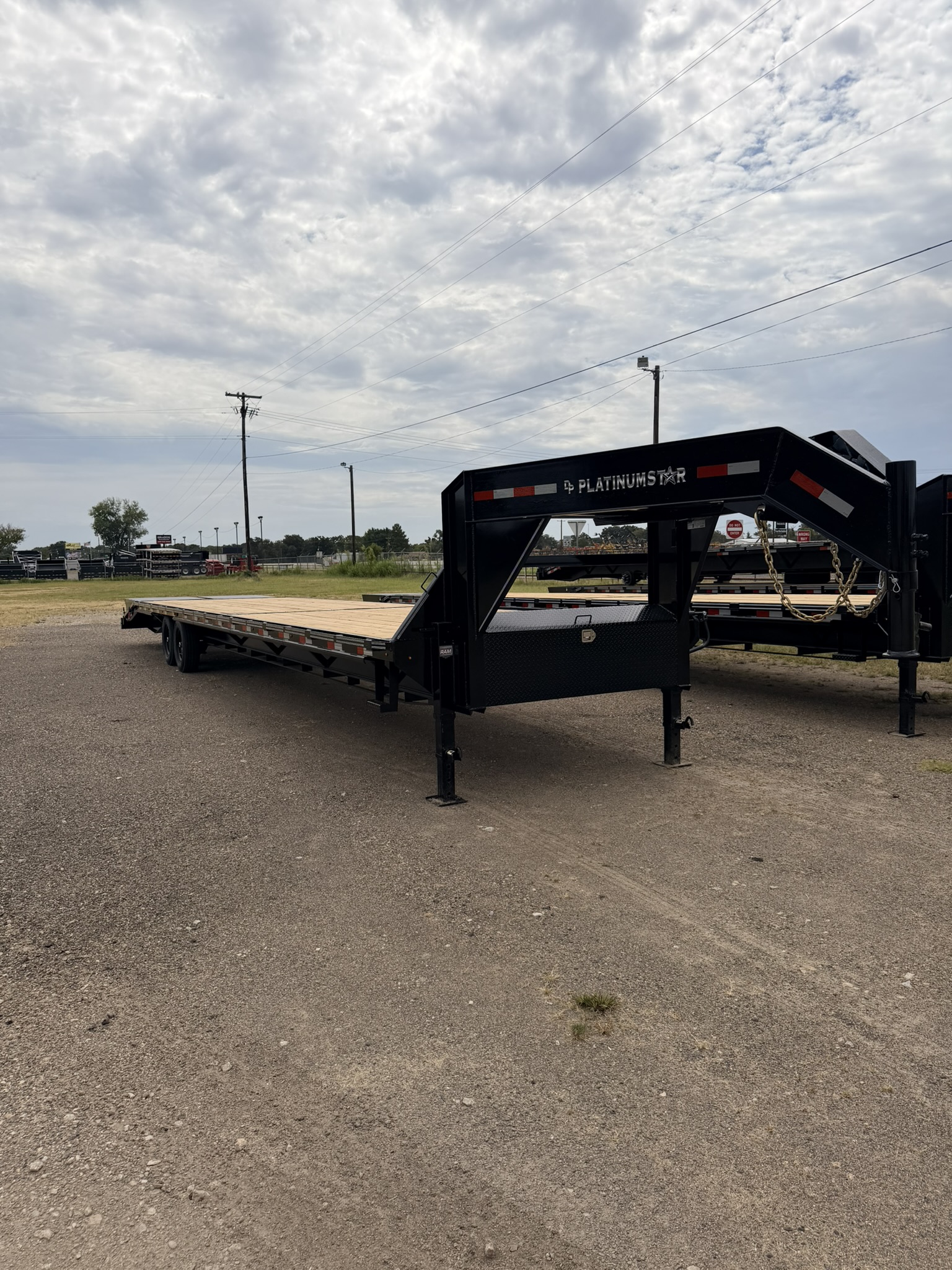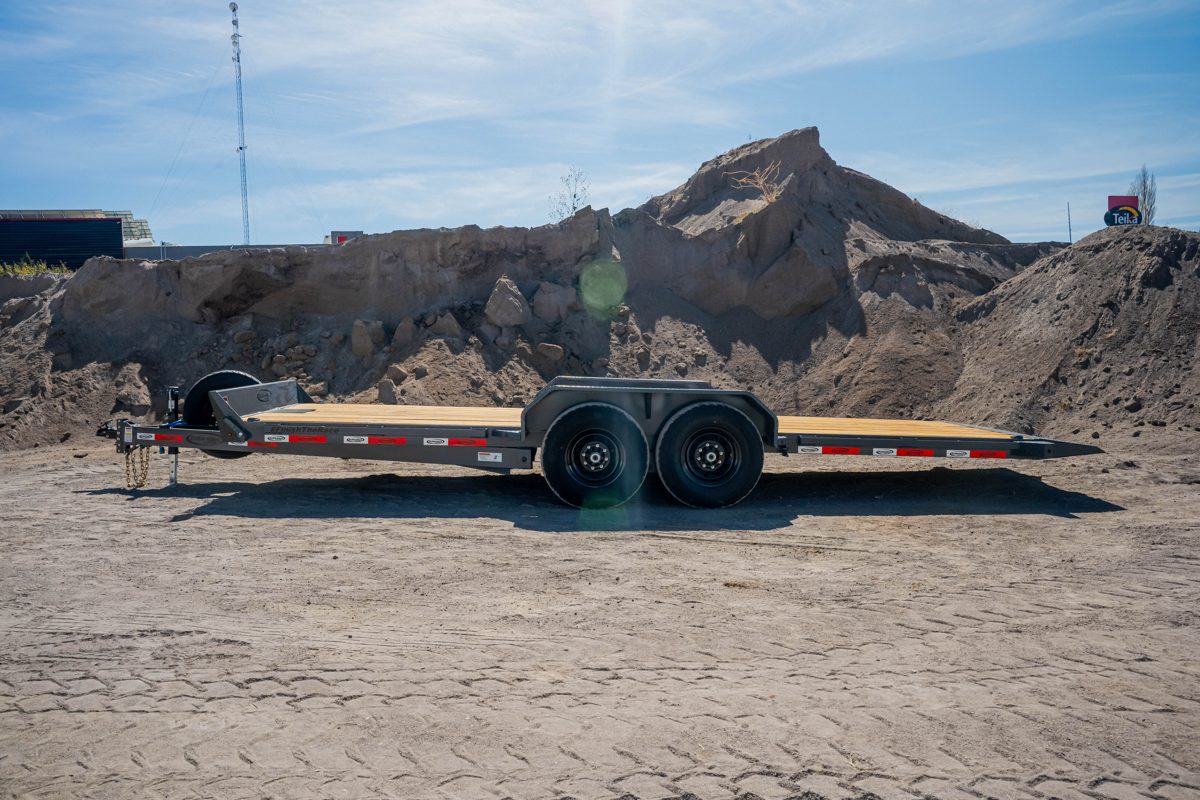
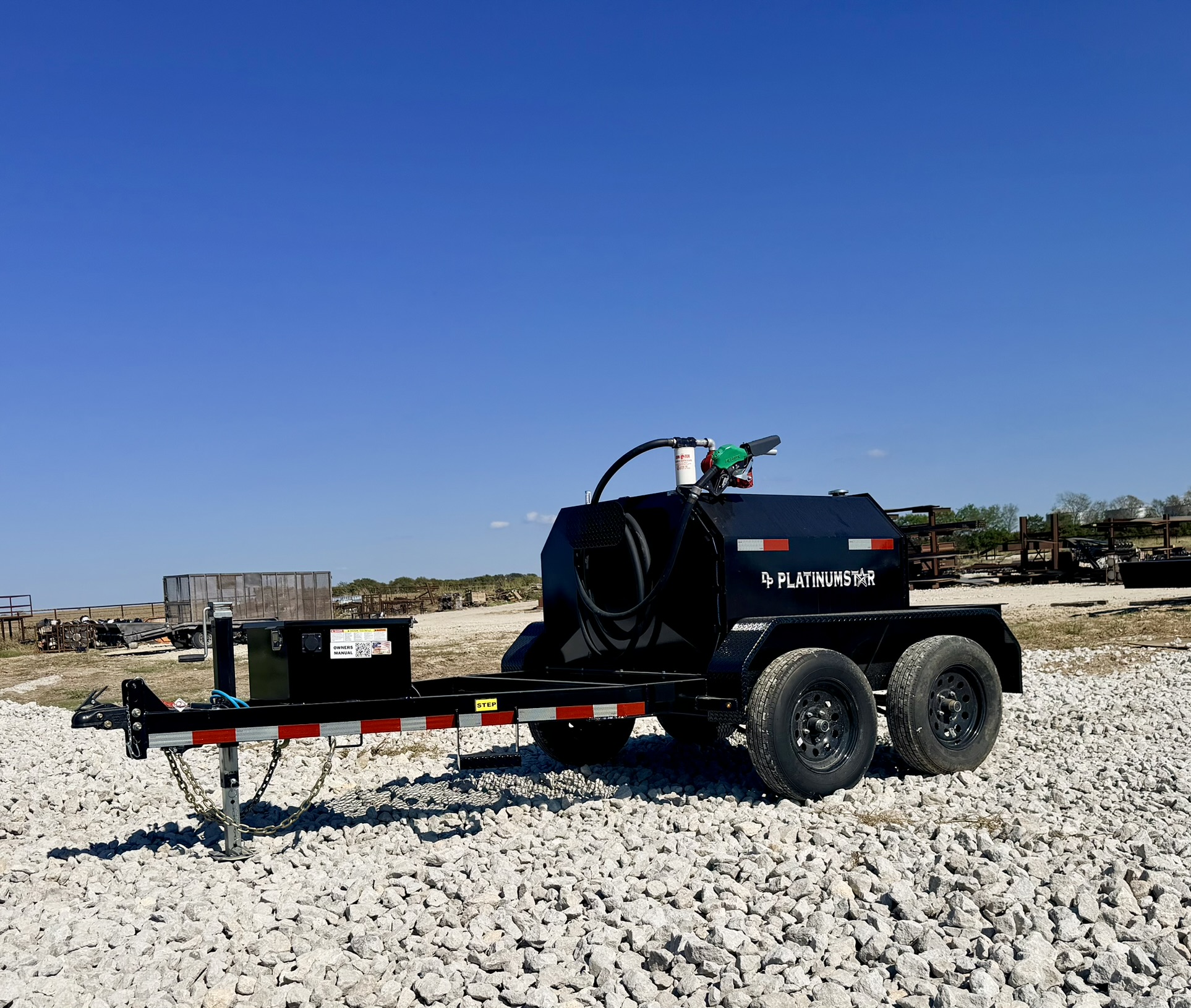
Every trailer comes with a set of weight ratings, and they are some of the most important numbers you will ever look at as an owner. They tell you how much the trailer can safely carry, how that weight should be spread out, and whether your truck is a good match for the job. Yet a lot of folks never look past the length and the deck height. This guide explains each one in plain language.
Where to Find Your Trailer's Weight Ratings
Trailers built for road use carry a manufacturer's certification label, often called the VIN tag or VIN plate. You will usually find it on the front of the trailer, on the tongue or on the driver's side frame rail near the front. The label typically lists the VIN, the date of manufacture, the Gross Vehicle Weight Rating (GVWR), the Gross Axle Weight Rating (GAWR) for each axle, and tire and rim information.
If the label is missing, faded, or damaged, contact the manufacturer with the VIN before you load the trailer heavily.
GVWR: The Most Important Number
The Gross Vehicle Weight Rating is the maximum the trailer is designed to weigh when fully loaded. That includes the trailer itself plus everything on it: equipment, materials, tie-downs, toolboxes, and anything else you add.
The key point is that GVWR is not the same as how much you can haul. A trailer with a 14,000 lb GVWR that weighs 4,000 lbs empty can carry about 10,000 lbs of cargo, not 14,000.
GVWR is set by the manufacturer based on the weakest link in the system, which can be the axles, tires, frame, hitch, or coupler. Adding heavier tires alone does not raise it.
Empty Weight and Payload Capacity
The empty weight (sometimes called curb weight or dry weight) is what the trailer weighs with nothing on it. Your payload capacity is the difference:
Payload capacity = GVWR minus empty weight
Manufacturer empty weights are a good starting point, but options like spare tires, ramps, winches, toolboxes, or a heavier deck add weight. The most reliable way to know your empty weight is to run the trailer across a certified scale, such as those at many truck stops and grain elevators.
GAWR: How Much Each Axle Can Handle
The Gross Axle Weight Rating is the maximum weight a single axle is rated to carry, and it is listed per axle. On a tandem-axle trailer with two 7,000 lb axles, the combined axle ratings are 14,000 lbs.
You will often notice that combined GAWR is a little less than GVWR. That is normal, because part of the loaded trailer's weight rides on the tongue or gooseneck and is carried by your tow vehicle rather than the trailer's axles.
GAWR matters most when cargo is poorly placed. Even if your total weight is under GVWR, loading too much over one axle can overload that axle, its bearings, and its tires.
Tongue Weight and Pin Weight
Tongue weight is the downward force the trailer puts on your hitch. A commonly cited guideline for bumper-pull trailers is about 10 to 15 percent of the total loaded trailer weight. Gooseneck and fifth-wheel trailers generally carry a larger share on the hitch. Always confirm the recommended range in your trailer and tow vehicle owner's manuals.
Too little tongue weight is a leading cause of trailer sway. Too much can overload your truck's rear axle, lift the front end, and reduce steering and braking control. The fix is usually moving cargo forward or back, not adding more weight.
Tires: The Often-Overlooked Rating
Each trailer tire has a maximum load printed on the sidewall, and that load is only valid at the inflation pressure listed beside it. Add up the load ratings of all the tires on the axles and make sure the total meets or exceeds the weight those axles will carry. Underinflated tires lose capacity and build heat, so check pressure cold, before each trip.
Matching the Trailer to Your Tow Vehicle
The trailer's ratings are only half the picture. Your truck has its own limits, which you can find in the owner's manual and on the door jamb sticker:
-
Towing capacity: the maximum trailer weight the truck is rated to pull
-
Payload capacity: how much weight the truck can carry, including tongue or pin weight, passengers, and gear in the bed
-
GCWR (Gross Combined Weight Rating): the maximum allowed weight of the truck and loaded trailer together
-
Hitch rating: the receiver, ball mount, and ball each have their own limits, and the lowest one sets your cap
Quick Pre-Load Checklist
-
Read the VIN label and note the GVWR and each GAWR
-
Know your trailer's actual empty weight, ideally from a scale
-
Estimate cargo weight, including tie-downs and accessories
-
Place heavy items so the tongue weight lands in the recommended range
-
Check tire load ratings and set cold inflation pressure
-
Confirm your truck's towing capacity, payload, GCWR, and hitch rating
-
When in doubt, weigh the full combination at a certified scale
Why It Matters Beyond Safety
Weight ratings also tie into paperwork and the law. Requirements for trailer brakes, breakaway systems, registration class, and in some cases commercial licensing are often based on weight. These rules vary by state and by whether you are hauling for business, so check with your state's department of motor vehicles or transportation agency for the rules that apply to you.
Whether you pull a utility, dump, or equipment trailer, a few minutes with the VIN label and a scale ticket goes a long way.